If you are drawn to small-town living but do not want to feel cut off from everyday convenience, Round Hill’s village core offers a distinct middle ground. You get a compact setting, older homes, civic gathering spots, and a walkable layout that feels different from the larger-lot countryside nearby. If you are thinking about buying or selling here, it helps to understand how the core of town actually lives day to day. Let’s take a closer look.
Round Hill’s village core at a glance
Round Hill is Loudoun County’s westernmost incorporated town, set along Route 7 at the base of the Blue Ridge Mountains. The town describes itself as a historic place surrounded by farmland and newer neighborhoods, which helps explain why the center of town feels both rooted and practical.
It is also a very small municipality by population. The 2020 Census counted 693 residents, and that scale shows up in the village core’s compact footprint, modest streetscape, and local rhythm.
Town planning documents describe downtown as retaining the scale of a typical 19th-century Virginia small town. They also note that it remains walkable and generally pedestrian-friendly, even as regional growth has added more traffic pressure over time.
What living here feels like
Life in Round Hill’s village core tends to be shaped by proximity more than acreage. Instead of long driveways and large rural parcels, you are more likely to experience short in-town trips, nearby civic spaces, and a built environment where homes, businesses, and public places sit closer together.
That does not mean it functions like a dense retail district. Town planning materials describe the Central Commercial District as a mixed-use core with residences woven among commercial uses, and as more service-oriented than a place designed for all-day browsing.
In practical terms, the village core often appeals to people who value a quieter, small-scale setting with a recognizable town center. It offers a different lifestyle from the outlying countryside, with more emphasis on connected streets, local stops, and community gathering places.
Homes in the village core
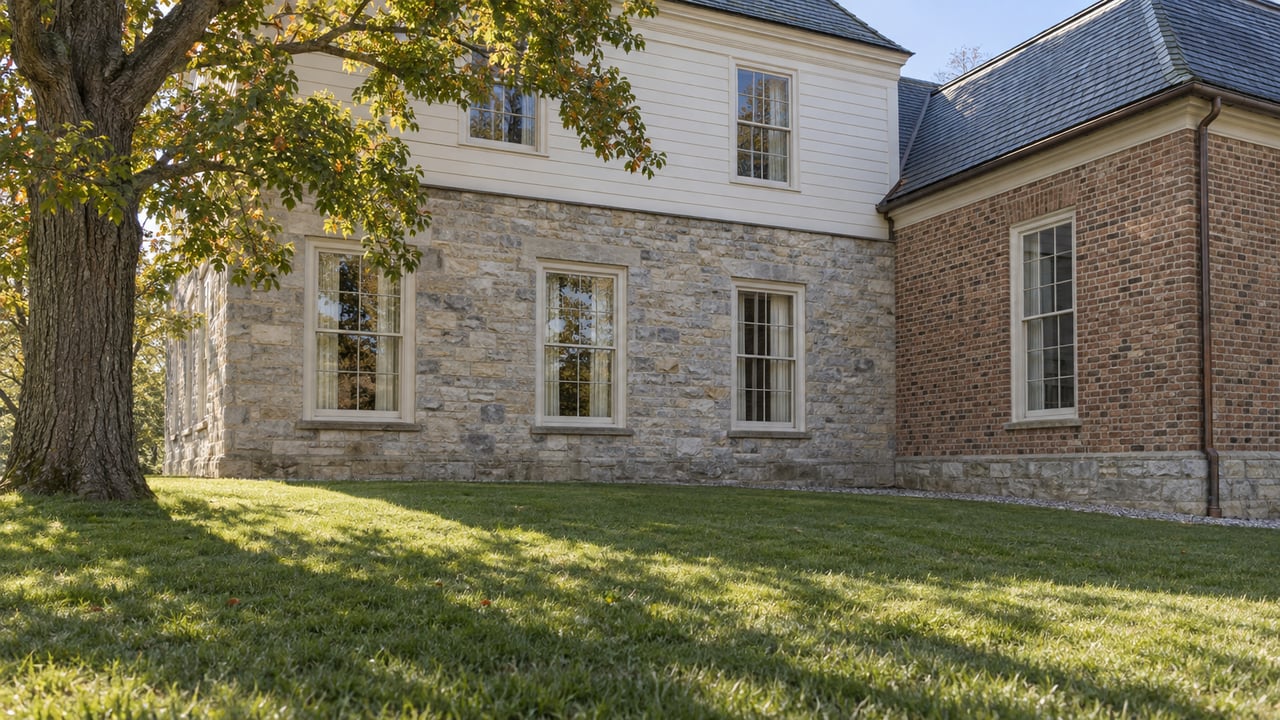
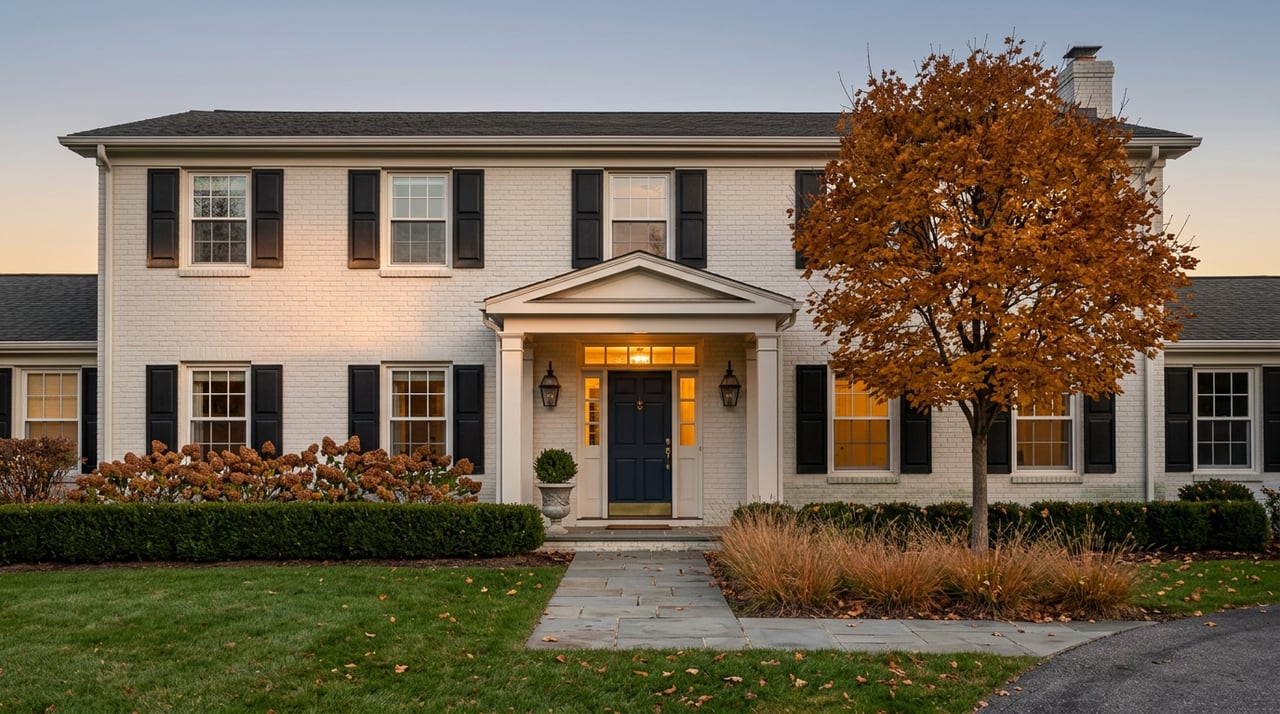
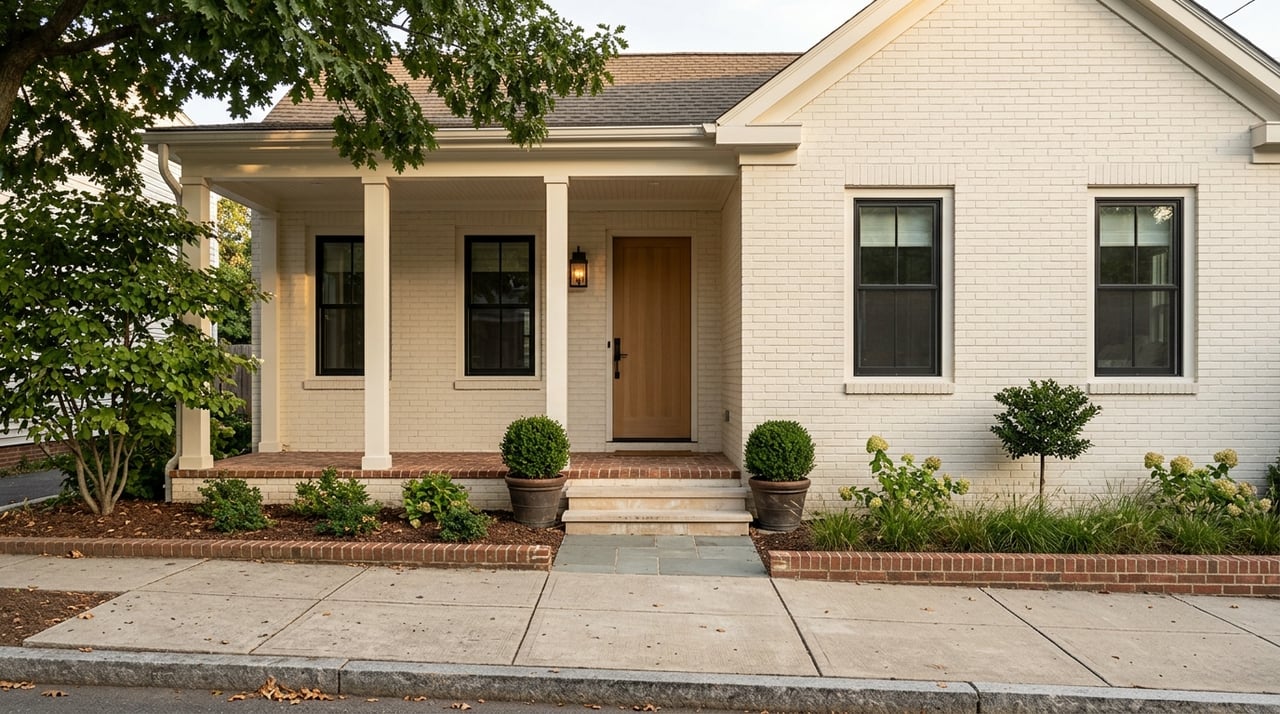
One of the defining features of Round Hill’s core is its older housing stock. Most homes within the town limits were built before the end of the 1920s, and the Round Hill National Register Historic District was officially designated in 2008 and 2009, with a period of significance from 1850 to 1958.
For buyers, that can translate into homes with more established character and a stronger sense of place. For sellers, it means the setting itself is part of the story, especially for buyers who are specifically looking for an in-town historic feel rather than a newer subdivision pattern.
The housing mix is broader than some people expect. Round Hill’s zoning includes single-family districts, duplex and townhouse zoning, multifamily zoning, and several commercial and light industrial districts, which means the in-town housing pattern is not limited to detached homes on larger lots.
That mix matters because it creates a more varied village environment. Depending on the block, you may see older detached houses, attached housing, and a few denser pockets that support the town-center feel.
Accessory apartments and flexible use
If you are considering a property with multigenerational potential or guest space, Round Hill’s accessory apartment rules are worth noting. The town allows accessory apartments on residential lots with an existing single-family home.
These may function as interior apartments, detached apartments, rental units, caregiver suites, or guest spaces. The town limits them to one per property and requires the owner to occupy one of the units.
For some buyers, that creates useful flexibility. For some sellers, it may also help position a property for buyers who want space that can adapt over time.
Everyday errands and local businesses
Round Hill’s business identity is closely tied to arts, tourism, agriculture, equine activity, wine and vineyard uses, and culinary businesses. The town’s official business page points to places and activities such as Hill High Marketplace, the Gateway Gallery, the Round Hill Arts Center, the Artists’ Loft, and Old Furniture Factory concerts.
That mix gives the village core a local character without making it feel overbuilt. It is less about a long commercial strip and more about a modest collection of community-oriented destinations and services.
Town planning materials also offer a useful clue about local expectations. In a 2014 community survey, residents most often asked for a coffee shop, bakery, neighborhood deli, and ice cream parlor, which suggests people value small-scale, everyday convenience that fits the town’s size.
Civic spaces anchor the core
Part of what makes the village core feel cohesive is its civic cluster. The historic Ford’s Store town office, the Round Hill Volunteer Fire and Rescue Department, the post office, four churches, and the town park are all part of the community fabric.
That combination gives the center of town a recognizable civic identity. Even without a major retail district, the core still functions as a place where local institutions and everyday life meet.
For buyers relocating from outside the area, this is an important distinction. You are not moving into a town center defined mainly by shopping, but into one shaped by public spaces, community activity, and a historic small-town layout.
Town Park and community events
Town Park on Loudoun Street adds to that sense of everyday livability. It is intentionally pedestrian-only and includes an oval walking path, benches, small tables, playground equipment, and a pavilion.
The park also hosts town events such as the Hometown Festival. That gives residents a central place for both casual use and community gatherings, which can make the village core feel more connected than its size might suggest.
For many buyers, nearby outdoor space is not just a bonus. It is part of how a neighborhood works on an ordinary Tuesday as much as on a weekend.
Trails and outdoor access
One of the most meaningful recent improvements for the village core is better pedestrian connectivity. The Round Hill to Franklin Park Trail was completed in 2022 and connects the center of town to Franklin Park.
The related Main Street project added sidewalk, curb, curb ramps, retaining walls, and drainage improvements. The town also states that the Main Street and Loudoun Street pedestrian improvement project was completed in 2023.
This matters because it strengthens the walkable network beyond the immediate downtown blocks. It makes it easier to think about the village core not just as a historic main street, but as a town center with growing access to larger recreation spaces.
Franklin Park expands your options
Franklin Park is the main nearby regional amenity, and it is a significant one. The park includes 203 acres, Blue Ridge views, a perimeter trail, tennis and pickleball courts, a pool, a splash pad, and other recreation features.
For residents of the village core, that nearby access broadens day-to-day options. You can enjoy the compact scale of in-town living while still being close to a larger public recreation area.
Looking ahead, the network may become even more connected. Loudoun County says the Franklin Park to Purcellville Trail is in design and planned to extend the shared-use path toward Purcellville’s sidewalk network in a later phase.
Future walkability projects
Round Hill is also planning additional pedestrian connections through the Southern Greenway project. According to the town, that project is designing future connectivity along Airmont Road and New Cut Road to connect residents back to Loudoun Street.
For buyers, this signals that walkability is not just a legacy feature of the old town center. It is also part of how the town is thinking about future connectivity.
For sellers, that long-term planning can be part of the broader location story. Buyers often look for places where the public realm is being improved thoughtfully over time.
What to know about commuting
If you are moving to Round Hill’s village core, it is wise to pair its small-town appeal with realistic commute expectations. In the town’s 2014 survey, 93% of respondents said they commuted outside Round Hill, and the average commute reported was about one hour.
That survey should be read as context rather than a current exact metric, but it still highlights an important truth. Regional travel around Round Hill remains largely road-based, and Route 7 traffic was the most common complaint in that survey.
Loudoun County commuter services now emphasizes park-and-ride lots, commuter buses, ride sharing, and transit-on-demand options elsewhere in the county. Even so, many households considering Round Hill will want to think carefully about how often they need to travel east and at what times of day.
Who the village core may suit best
Round Hill’s village core may be a good fit if you want a compact historic setting, older homes, and a more connected daily pattern than you would typically find on outlying acreage. It can also appeal if you like the idea of civic spaces, trails, and local businesses shaping your routine.
It may be less about large-scale retail convenience and more about quality of setting. That is often the tradeoff that defines the area’s appeal.
If you are buying, the key is to match the property to the lifestyle you want. If you are selling, the opportunity is to present the home in the context of the village core’s historic character, pedestrian improvements, and distinct small-town rhythm.
If you want thoughtful guidance on neighborhood fit, pricing, presentation, or preparing a move in Loudoun County, Suzanne Ager offers a high-touch, informed approach tailored to your goals.
FAQs
What is Round Hill’s village core like for daily life?
- Round Hill’s village core is a compact, historic small-town setting with homes, civic buildings, local businesses, Town Park, and growing trail connections that support short in-town trips and community-oriented living.
What kinds of homes are in Round Hill’s village core?
- The in-town housing mix includes many older homes, with most homes in the town limits built before the end of the 1920s, along with zoning that also allows attached housing and some denser residential pockets.
Are there parks and trails near Round Hill’s village core?
- Yes. Town Park is in the core, and the Round Hill to Franklin Park Trail connects the center of town to Franklin Park, a 203-acre regional amenity with trails, courts, a pool, and more.
Is Round Hill’s village core walkable?
- Town planning documents describe downtown as walkable and generally pedestrian-friendly, and recent sidewalk and trail improvements have expanded connections within and beyond the core.
What should commuters know about living in Round Hill’s village core?
- Round Hill offers small-town living, but many residents travel outside town for work, and Route 7 traffic has been a longstanding concern, so commute planning remains an important part of the decision.
Can a home in Round Hill have an accessory apartment?
- In some cases, yes. The town allows one accessory apartment on a residential lot with an existing single-family home, with owner-occupancy required for one of the units.