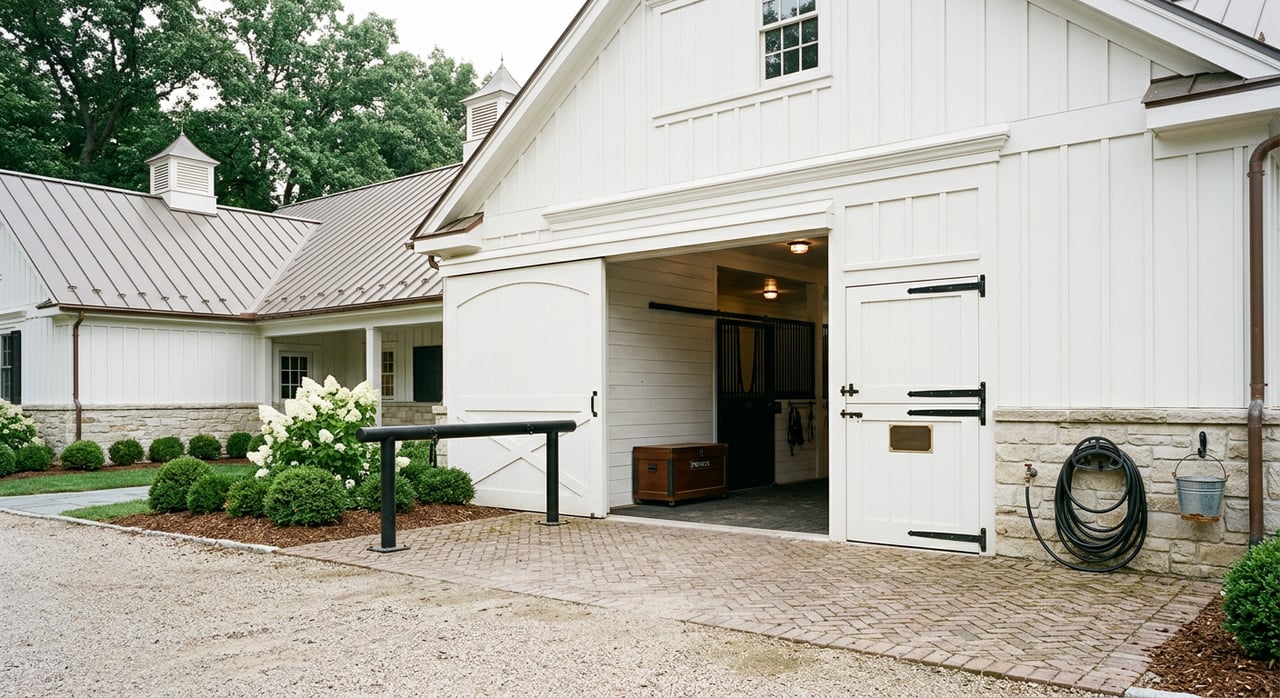
If you dream of riding from your back door across rolling fields, Middleburg is likely on your shortlist. This is the heart of Northern Virginia horse country, which means the right property can support your lifestyle if the details line up. In this guide, you’ll learn how zoning, utilities, taxes, and facilities affect value and daily life on an equestrian property. You’ll also get a clear checklist and local next steps so you can move forward with confidence. Let’s dive in.
Middleburg horse country basics
Middleburg sits in Loudoun County, close to the Fauquier County line. Before you assume rules or taxes, confirm which county and zoning district a parcel sits in, and whether it is inside any town limits. Many properties marketed as “Middleburg” span different jurisdictions, and that changes what you can build and how you can use the land.
You also benefit from a strong local equine ecosystem. The Virginia Tech Middleburg Agricultural Research & Extension Center is a regional resource for equine research, outreach, and education. You can explore programs and contacts through the MARE Center.
Zoning and permitted uses
Private vs. livery boarding
Loudoun County defines a stable and separates a Stable, Private from a Stable, Livery. A private stable serves the owner or residents and can include up to 10 non‑owner horses. A livery boards more than 10 horses or offers boarding for hire. These definitions drive whether your use is permitted by right or needs a special exception. Review the county’s definitions in the Zoning Ordinance.
Parcel size and road access
County guidance notes that stables are typically allowed by right in some rural districts on parcels of at least 25 acres. In other districts, stables may be allowed only if the parcel has direct access to a state‑maintained road or through special exception processes. Before you rely on a listing claim, confirm zoning and road access conditions with Planning and Zoning using the county’s Rural Business Uses guide.
Events and competitions
A permit for a stable or livery does not automatically allow public events, shows, or banquets. Event and competition uses can trigger their own permits, minimum acreage, or special exceptions. Treat event plans as a separate planning question and confirm with county staff, using the Rural Business Uses guide as a starting point.
Taxes, land use, and easements
Use‑value assessment basics
Loudoun’s Land Use Assessment program offers reduced tax assessments for qualifying agricultural, horticultural, or forest land. Agricultural or horticultural classification generally requires at least 5 qualifying acres with bona fide commercial production. Forestry classifications often require 20 or more acres and a management plan. If qualification stops, rollback taxes typically apply for the current plus five prior years. Review the county’s Land Use Assessment FAQs, and ask the seller for recent filings and any renewal letters.
Agricultural & Forestal Districts (AFDs)
Some properties are enrolled in AFDs, which can provide assessment benefits and preservation commitments. Check for enrollment status, term dates, and any restrictions that could affect your future plans. Ask for all AFD documents during due diligence and confirm renewal timelines.
Conservation easements
Many Middleburg‑area farms carry conservation easements. Easements often allow horses and farming but may prohibit subdivision or new buildings. Always read the recorded easement and contact the easement holder to confirm what is allowed. Learn more about how easements work from the Piedmont Environmental Council.
Permits for building and grading
Grading and VESMP thresholds
Loudoun enforces the Virginia Erosion & Stormwater Management Program. A Land Disturbance/Grading Permit is typically required for land‑disturbing activities of 5,000 square feet or more. Disturbances of 1 acre or more trigger state stormwater rules and plans. Arena construction, major paddock grading, and driveway work often meet these thresholds. Build permit time and cost into your plan by reviewing the county’s VESMP guidance.
Agricultural building exemptions
Some agricultural structures may be exempt from local building permits and inspections, but they still count for assessment and must comply with zoning. Ask for permit history, and verify with Building and Development whether an existing barn or arena was permitted or deemed exempt. Plan for potential retrofits if documentation is missing.
Wells and septic systems
The Health Department requires permits for wells and onsite sewage systems, along with soils reviews. Alternative Onsite Sewage Systems need a licensed operator, regular inspections in Loudoun, and documented maintenance. Request well yield data, septic records, and any AOSS logs before you finalize terms. Use the county’s Wells and Onsite Septic page for process details.
Property features to inspect
Barn layout and safety
Look for safe, functional stall sizes and flow. Common practice uses 12×12 stalls for most riding horses, with wider aisles of 12 to 16 feet in busy barns. Check for ventilation, natural light, rubber matting in stalls, tack and feed rooms, wash stalls, and separate hay storage. Electrical systems in older barns often need upgrades for fire safety.
Arenas and drainage
Good arenas start with engineered sub‑base and drainage, plus footing that matches your discipline. Without proper grading and drainage, footing fails quickly. Outdoor arenas commonly range from 60×120 to 100×200 feet. For planning and sizing perspective, review this arena design summary. Expect permits if you are creating a new arena or doing major grading, and factor in lighting and stormwater needs using the county’s VESMP guidance.
Pastures, fencing, and manure
Healthy pastures rely on rotational grazing, soil testing every 2 to 3 years, and targeted overseeding. Sacrifice lots or heavy‑use areas reduce mud and runoff. Inspect fencing for visibility and safety, check gates and posts, and note any rusted wire or broken rails. For best practices on manure storage and pasture health, see the regional guidance from the Fairfax Soil and Water Conservation District.
Soils, slope, and floodplain
Soils and slope shape where you can place barns, arenas, and drainfields. Rocky or steep areas increase build costs. Ask for a topographic map and any soils or perc‑test records. Check county GIS layers and the Zoning Ordinance for floodplain and wetland constraints, and avoid siting structures in regulated areas without approvals.
Access and daily operations
Trailer access matters. Confirm driveway width, turnarounds, sight distance at the road, and room for deliveries. For certain rural uses, the county notes that direct state‑road frontage may be required or that you may need a special exception. Align your operations plan with the parcel’s access conditions using the Rural Business Uses guide.
Budgeting for ownership
Hay and feed
A 1,000‑pound horse eats about 1.5 to 2 percent of body weight in forage per day. That equals roughly 3 to 4 tons of hay per year per horse, depending on pasture. Multiply your horses’ annual tonnage by the latest Virginia “all‑hay” average price from USDA NASS for a first‑pass feed budget, then add grain and supplements as needed.
Annual care costs
Total annual costs vary widely based on whether you board, your discipline, and the level of care. Extension studies show that costs can range from several thousand dollars per horse to the mid‑five figures when you include services, insurance, and capital recovery. Use an extension budgeting worksheet to estimate your scenario and adjust for local vendor quotes.
Capital projects and maintenance
A quality outdoor arena with engineered base and good footing is a multi‑thousand dollar investment. Indoor or covered arenas cost many times more and require ongoing maintenance. Barn electrical upgrades, roofing, and structural work can be significant line items. If your septic or well is undersized for your plans, expect the cost of a replacement system or hydrogeologic study, plus the ongoing maintenance that comes with AOSS requirements.
Build your local team
- Equine‑savvy real estate advisor for property fit, negotiation, and vendor introductions.
- Title company or real estate attorney to review easements, covenants, and land‑use filings.
- Surveyor and soils/septic consultant to confirm drainfields and reserve areas.
- Hydrogeologist and licensed well driller if yield is a concern, following county rules in the Wells and Onsite Septic program.
- Civil engineer or grading contractor with VESMP experience for arenas and driveway work, guided by VESMP requirements.
- Local SWCD or Extension contacts for pasture and manure BMPs, plus the MARE Center for equine education.
- Equine veterinarian, farrier, hay/feed suppliers, and an experienced barn manager.
County staff are the final authority on what is allowed. Use Planning and Zoning for permitted uses, Building and Development for permit history, and the Health Department for well and septic records.
Quick due‑diligence checklist
- Verify parcel zoning and whether your plan is a private stable or livery using the Zoning Ordinance definitions.
- Confirm road access and whether your intended use is by right or needs a special exception with the Rural Business Uses guide.
- Request land‑use assessment documents, AFD enrollment, conservation easements, and any rollback tax history from the seller, then review the Land Use Assessment FAQs.
- Ask for well and septic permits, well yield data, and any AOSS maintenance logs, using the county’s Wells and Onsite Septic process as your reference.
- Check if prior barn or arena work was permitted or considered agricultural exemption, and plan for updates if records are missing.
- Evaluate fencing, gates, turnout sizes, manure storage, and runoff controls, then consult regional BMP guidance from the Fairfax SWCD.
- If you plan new arenas or major grading, factor VESMP permits, drainage design, and timelines using the county’s VESMP guidance.
- For arena sizing and footing considerations, review this arena design summary.
Next steps
Buying an equestrian property in Middleburg is equal parts lifestyle and business plan. When you confirm zoning, utilities, access, and any easements early, you reduce risk and protect your timeline and budget. Build a realistic operating plan for hay, care, and arena upkeep, then set a capital reserve for barn, well, septic, and drainage needs. If you want a property that fits the way you ride and live, an experienced guide makes all the difference.
Ready to tour Middleburg horse properties or vet a short list? Connect with Suzanne Ager to map your goals, due‑diligence plan, and next steps.
FAQs
What zoning allows horses on property in the Middleburg area of Loudoun County?
- Loudoun permits private stables and livery operations under different rules; private stables serve owners and up to 10 non‑owner horses while livery operations board more than 10 or board for hire. Always confirm your parcel’s district and permitted uses using the county’s Zoning Ordinance definitions and contact Planning and Zoning.
How many acres do I need to operate a stable or boarding business in Loudoun County?
- County guidance indicates that stables are typically allowed by right on parcels of at least 25 acres in some rural districts, with other districts requiring direct access to a state‑maintained road or a special exception. Verify the specifics for your lot with the Rural Business Uses guide and county staff.
Do I need a permit to build an outdoor riding arena in Loudoun County?
- Often yes. Land disturbance of 5,000 square feet or more requires a grading permit, and 1 acre or more triggers state stormwater rules. New arenas and major paddock grading commonly meet these thresholds. Review the county’s VESMP guidance and plan for drainage design and timelines.
How do conservation easements affect equestrian properties near Middleburg?
- Easements often allow horses and farming but can restrict subdivision or new buildings. Read the recorded document and contact the easement holder to confirm permitted uses. For background on easements in the region, see the Piedmont Environmental Council.
What should I budget for hay if I keep horses at home in Virginia?
- A 1,000‑pound horse typically consumes about 3 to 4 tons of hay per year depending on pasture. Multiply your horses’ annual tonnage by the latest Virginia “all‑hay” average price in the USDA NASS Crop Values summary, then add grain and supplements.
What records should I request for wells and septic before buying a horse property in Loudoun?
- Ask for well permits and yield data, septic permits, soils reports, and any Alternative Onsite Sewage System maintenance logs. Use the county’s Wells and Onsite Septic guidance and include contingencies for inspections or a hydrogeologic or soils review if capacity is uncertain.