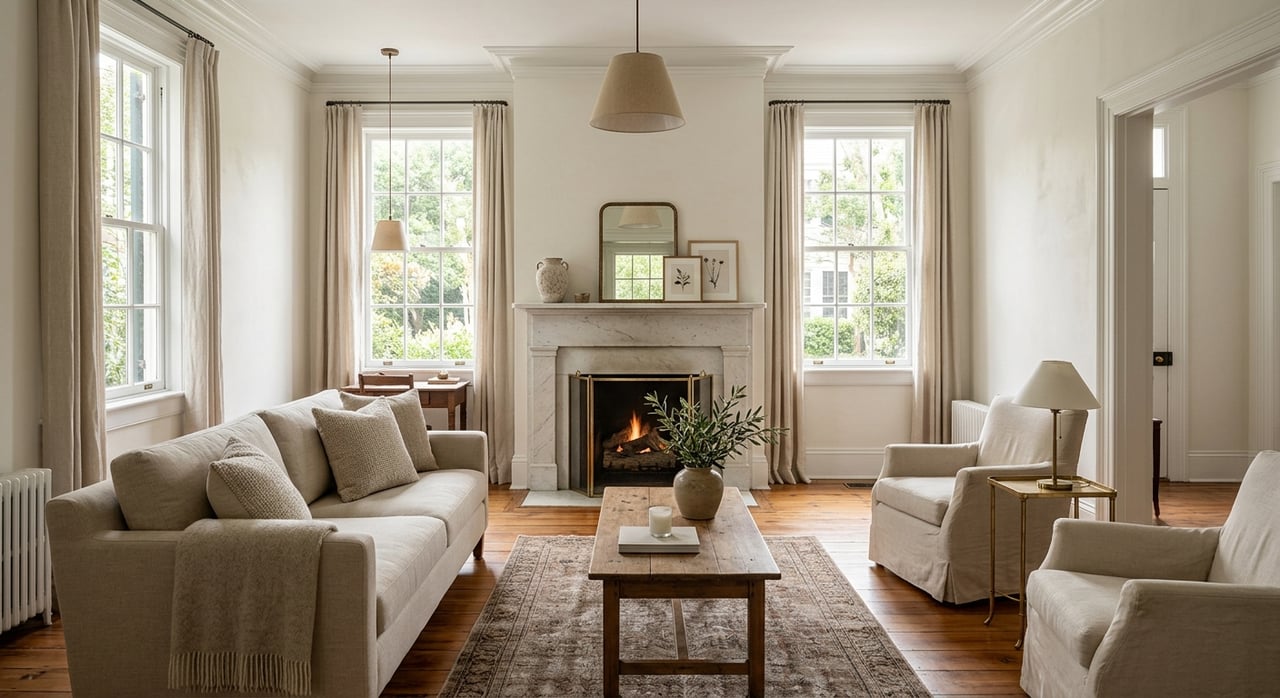
Wondering how to make an older or historic home feel market-ready without stripping away the details that make it special? If you are preparing to sell in Hamilton or western Loudoun, that balance matters more than ever. The right staging plan can help buyers connect with your home’s character, understand its layout, and picture daily life there. Let’s dive in.
Why character matters in Hamilton and Western Loudoun
In Hamilton and nearby western Loudoun communities, buyers are often drawn to more than square footage alone. Loudoun County’s preservation framework highlights the importance of historic architecture, cultural continuity, and integrity of setting, with places such as Hamilton, Waterford, Taylorstown, Bluemont, Goose Creek, Oatlands, Lincoln, and Paeonian Springs all tied to that broader sense of place. You can explore that context through the county’s Heritage Register.
For sellers, that means your home may be competing on story, setting, and architectural presence as much as on finishes. A village house, farmhouse, or country property often resonates because it feels rooted in its surroundings. Good staging helps buyers see that value clearly without overwhelming the home’s original features.
Stage to reveal, not replace
The best staging for an older or historic home is usually subtle. Instead of trying to make the house feel brand new, your goal is to help buyers notice what is already distinctive and appealing.
The National Park Service identifies character-defining features as things like a building’s shape, materials, craftsmanship, decorative details, interior spaces, and site environment. In practical terms, that can include mantels, built-ins, trim, plaster walls, staircases, porches, tall windows, and masonry details. When you stage around those features, you help the home photograph well and feel memorable in person.
According to the 2025 Profile of Home Staging Snapshot from NAR, 83% of buyers’ agents said staging makes it easier for buyers to visualize a property as a future home. The same report found that 49% of sellers’ agents saw reduced time on market, and 29% reported a 1% to 10% increase in the dollar value offered. That makes careful preparation especially worthwhile when your home has details buyers may not see in newer construction.
Focus on the rooms buyers notice most
Not every space needs the same level of effort. If you want the biggest impact, start with the rooms buyers tend to care about most.
NAR reports that buyers place the most importance on the living room, primary bedroom, and kitchen. Sellers also commonly stage the living room, primary bedroom, dining room, and kitchen, according to NAR’s staging research summary.
Living room
In many older homes, the living room carries some of the strongest architectural details. A fireplace, original millwork, built-in shelves, or tall windows can anchor the entire showing experience.
Use fewer, well-scaled pieces so the room feels open and its proportions read clearly in photos. Avoid blocking fireplaces, built-ins, or major window lines. If the room is on the smaller side, less furniture is usually better.
Primary bedroom
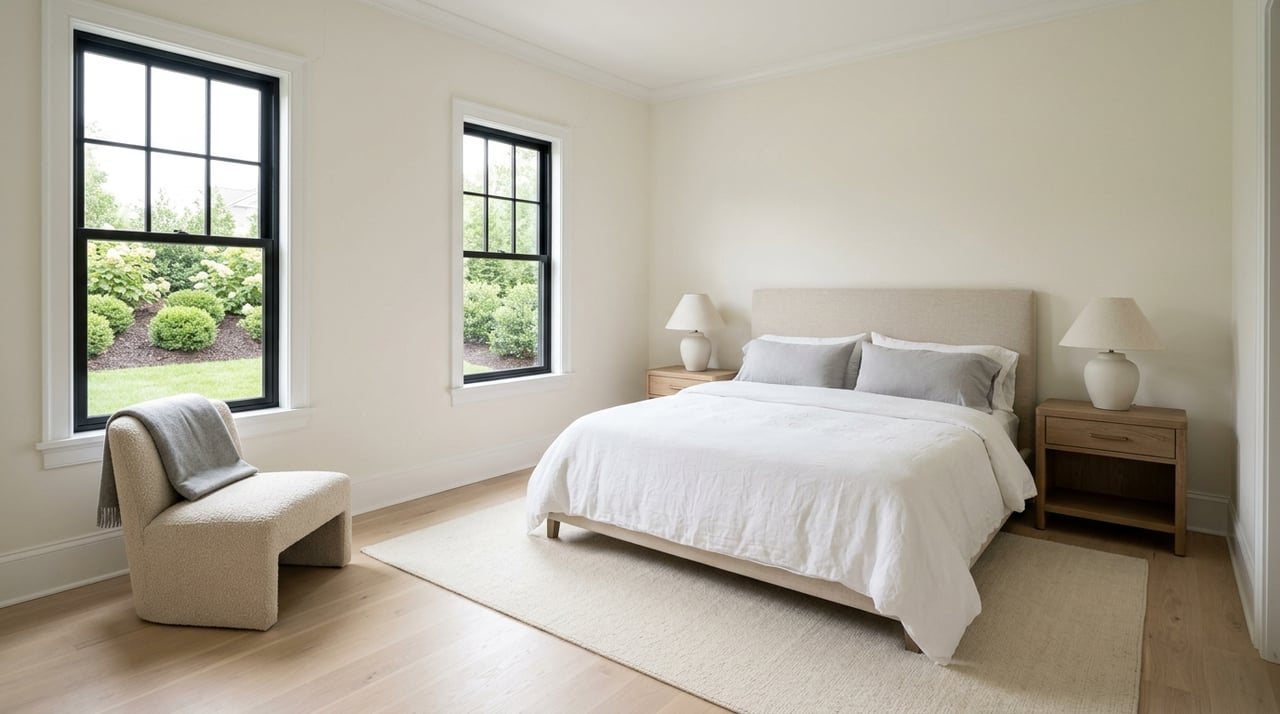
Your primary bedroom should feel calm, simple, and spacious. Neutral bedding, layered texture, and restrained accessories can soften the room without distracting from original flooring, trim, or window casing.
If the room has an unusual shape, staging can help define how furniture fits. That gives buyers confidence that the space is functional, even if it does not match the layout of a newer home.
Kitchen
Older kitchens often benefit from editing more than decorating. Clear counters, remove visual clutter, and let cabinetry, natural light, or original details take center stage.
You do not need a themed historic look. In fact, a clean and current presentation usually helps buyers better understand the space while still appreciating its age and authenticity.
Dining room
If your home has a formal dining room, treat it as a feature rather than an afterthought. A simple table setting, balanced lighting, and open circulation can help buyers see the room as useful and inviting.
That matters in homes where room-to-room flow may be different from a contemporary open-plan layout. Staging can help clarify purpose without making the house feel overly scripted.
Keep the style neutral and restrained
Older homes usually look best when the decor supports the architecture instead of competing with it. That means using textiles, art, and accessories in a measured way.
A restrained palette helps woodwork, brick, stone, plaster, and historic trim remain the focal point. It also keeps listing photos clean and timeless. Oversized furniture, loud patterns, or too many accessories can make smaller rooms feel tighter and distract from the home’s real assets.
What to do
- Declutter each room so proportions are easy to read.
- Use neutral textiles and simple accessories.
- Keep pathways and sightlines open.
- Highlight fireplaces, windows, trim, and built-ins.
- Improve curb appeal with light cleanup and maintenance.
What to avoid
- Overfilling rooms with furniture.
- Covering original materials with heavy decor.
- Blocking windows or architectural focal points.
- Using props that create a staged “colonial” or faux-historic theme.
- Making cosmetic changes that erase authentic character.
That last point is important. The Secretary of the Interior’s Standards for Rehabilitation specifically caution against creating a false sense of history. Buyers respond best to homes that feel honest, well cared for, and thoughtfully presented.
Know what can change before listing
Many sellers assume historic status means they cannot do much before a sale. In most cases, staging itself is low-impact and interior-focused, so it does not create much concern.
The bigger issue is whether you are planning exterior changes before listing. The Virginia Department of Historic Resources explains that listing on the Virginia Landmarks Register or National Register is honorary and does not, by itself, restrict renovation or demolition. You can read that directly through DHR’s historic registers page.
Local historic district rules are a separate matter. In Loudoun County historic districts, new construction, reconstruction, alteration, relocation, restoration, and demolition require a Certificate of Appropriateness review, while repainting, in-kind replacement, and interior alterations generally do not. If your property is in a local historic district and you are considering exterior work, review the county’s Certificate of Appropriateness guidance early.
Exterior projects to check before listing
If you are thinking about improving the exterior, pause before you commit to:
- Window changes
- Siding changes
- Porch work
- Additions
- Outbuildings
- Demolition
Loudoun County encourages a pre-submittal meeting with planning staff before certain exterior work in a historic district. That step can save time and help you avoid unnecessary delays during your listing timeline.
Repair before you replace
When older materials are involved, replacement is not always the best answer. Preservation guidance generally favors repairing distinctive features when feasible and matching replacements to the original in design, color, and texture where needed.
That is especially relevant for wood windows, plaster, masonry, porch detailing, and original trim. Before replacing these features purely for appearance, it is worth asking whether repair would better support both presentation and long-term value.
Should you replace old windows before listing?
Not automatically. The preservation standards favor repair over replacement when feasible, and exterior material changes may also need review if your home is in a local historic district.
For many sellers, the better move is to make windows look clean, operable, and visually consistent. That supports the home’s character without taking on unnecessary cost or review risk.
Make staging camera-ready
Today, staging is not just for in-person showings. It also needs to work for photography, video, and virtual tours.
NAR reports that buyers’ agents emphasized the importance of photos, physical staging, videos, and virtual tours, and that many buyers were more willing to walk through a home they saw online first. The same report notes a median cost of $1,500 when using a staging service, compared with $500 when the seller’s agent handled the staging. That context from NAR’s report on staging and sale outcomes can help you plan your budget.
Camera-aware staging tips
- Pull furniture slightly away from walls when it improves flow.
- Remove small items that create visual noise in photos.
- Let natural light reach windows whenever possible.
- Keep color palettes consistent from room to room.
- Edit shelves and surfaces so each focal point reads clearly.
In historic homes, this matters even more because buyers may need help understanding room scale online. Good photography paired with thoughtful staging can make a smaller or more traditional floor plan feel intentional instead of confusing.
Use preservation-aware vendors
Not every contractor or repair professional approaches older homes the same way. If you are touching historic materials before listing, look for vendors who understand how to work with plaster, wood windows, masonry, and older porch details.
That does not mean every repair must become a preservation project. It means choosing people who know how to improve presentation without damaging the materials that give the home its identity.
The smartest staging mindset for historic homes
In Hamilton and western Loudoun, the most effective staging is usually the least performative. Buyers are not looking for a museum set. They are looking for a home that feels cared for, livable, and true to its setting.
That is why a calm, well-edited approach tends to win. When you preserve sightlines, highlight original details, and avoid unnecessary changes, you give buyers space to connect with both the house and the place around it.
If you are preparing to sell an older or historic home, thoughtful guidance can make all the difference. From pre-sale prep to presentation strategy, Suzanne Ager brings a polished, locally informed approach that helps you protect character while positioning your home for the market.
FAQs
Does historic status in Loudoun County limit home staging?
- Usually not. Staging is primarily interior and low-impact, but exterior changes in a local historic district may require county review through a Certificate of Appropriateness.
Should you replace old windows before listing a historic home in Hamilton?
- Not necessarily. Preservation standards generally favor repair over replacement when feasible, and exterior material changes may need review if the home is in a local historic district.
Which rooms matter most when staging an older home in western Loudoun?
- The living room, primary bedroom, kitchen, and dining room typically deserve the most attention because buyers place high importance on those spaces.
Do Virginia Landmarks Register or National Register listings restrict owner rights?
- No. According to the Virginia Department of Historic Resources, those listings are honorary and do not by themselves restrict renovations, demolition, or require public access.
What style works best when staging a historic home for sale?
- A neutral, restrained style usually works best because it helps original features like trim, fireplaces, plaster, and built-ins stay front and center.